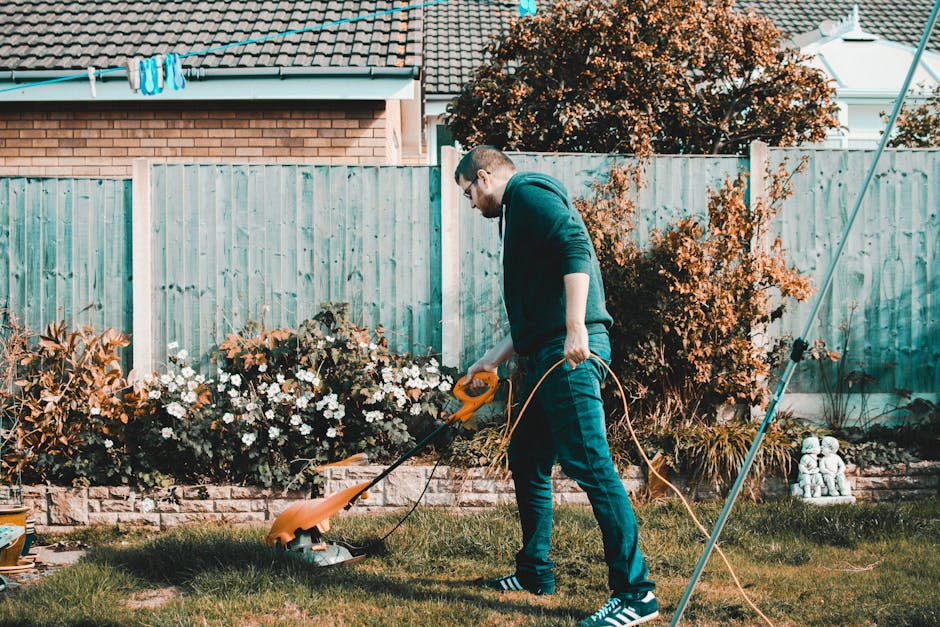
Same day gardeners in Downham for emergency lawn care
When your lawn suddenly looks ruined, there is a proper sense of panic about it. Maybe a storm has flattened the grass, a party has left muddy damage, or the mower has stripped a patch bare at the worst possible moment. That is exactly where same day gardeners in Downham for emergency lawn care come in. They are the quick-response option for urgent lawn problems that need attention now, not next week.
In practical terms, this kind of service is about stabilising the situation fast, restoring the lawn as neatly as possible, and preventing a small mess from becoming a bigger one. If you need rapid help, it also helps to understand what same-day lawn care can realistically do, what it cannot do, and how to prepare so the visit is actually useful. Let's be honest, a rushed job done well beats a rushed job done badly every time.
This guide walks through the most common emergency lawn issues in Downham, how same-day garden help typically works, what to expect from the visit, and how to make a sensible decision under pressure.
Table of Contents
- Why same day emergency lawn care matters
- How the service works in practice
- Key benefits and practical advantages
- Who needs it and when it makes sense
- Step-by-step guidance
- Expert tips for better results
- Common mistakes to avoid
- Tools, resources and recommendations
- Law, compliance, standards and best practice
- Options, methods and comparison table
- Case study or real-world example
- Practical checklist
- Conclusion
- Frequently asked questions
Why Same day gardeners in Downham for emergency lawn care Matters
Lawns do not usually fail all at once. They tip over gradually, then suddenly. One wet weekend, one burst of foot traffic, one awkward cut after a dry spell, and the whole garden can go from tidy to troubled. When that happens, speed matters because damaged grass is easier to rescue early than after it has been walked on, compacted, or left to rot in the wrong conditions.
Emergency lawn care is especially useful after heavy rain, a windy night, unexpected garden use, pet damage, or a bad mowing mistake. A same-day visit can reduce visible damage, lift the appearance of the garden quickly, and stop the problem spreading into borders, paths, or drainage areas. If you have visitors coming, are preparing a rental property, or just want the garden to stop looking sorry for itself, that speed can be a relief.
There is also a practical truth here. A lawn in distress can affect the rest of the garden. Mud tracks into paving, grass clippings clump at the edges, weeds get room to spread, and the whole space starts feeling neglected. A swift intervention is not just cosmetic; it is a reset.
Practical takeaway: same-day lawn care is most valuable when it prevents further damage, improves safety underfoot, and buys time for longer-term recovery work.
If the wider garden has also become untidy, it may make sense to combine the visit with garden maintenance or even a more thorough garden clearance where clutter or storm debris is part of the issue.
How Same day gardeners in Downham for emergency lawn care Works
Most same-day garden callouts follow a simple pattern. You describe the problem, share a few details about the lawn, and explain how urgent it is. A good provider will then assess what can reasonably be done in one visit. That might include mowing, strimming, edging, debris removal, spot treatment, light levelling, or a quick tidy-up of surrounding areas.
The important thing is expectation-setting. Emergency lawn care is not a magic wand. If a lawn is waterlogged, badly compacted, or physically torn up, the immediate job may be to make it safe and presentable, not to fully restore it in a single afternoon. That said, a skilled gardener will usually know how to prioritise the visible and practical fixes first.
Here is what a typical same-day process often looks like:
- Initial assessment: the gardener asks about the lawn condition, access, and any safety concerns.
- Urgency check: they decide whether the job is a true emergency or a fast turnaround repair.
- On-site visit: they arrive with the right equipment and inspect the grass, edges, and surrounding area.
- Immediate works: mowing, clearing, trimming, and tidy-up tasks are completed as needed.
- Advice for recovery: you get simple aftercare guidance so the lawn can settle properly.
If the lawn issue is linked with overgrown edges or hedges blocking light, combining the visit with hedge trimming can improve the result more than you might expect. A lawn in shade and trapped dampness often looks worse than it really is.
Key Benefits and Practical Advantages
The most obvious benefit is speed. You get a tidy result quickly, which is useful when time is tight or the garden situation has become awkward. But there are a few deeper advantages worth noting too.
- Prevents further deterioration: damaged grass can worsen fast if it is left alone.
- Improves appearance immediately: a clean, even lawn changes how the whole garden feels.
- Reduces trip hazards: long grass, clumps, and debris can make paths and lawns awkward underfoot.
- Saves you from rushed DIY mistakes: most lawn disasters happen when people try to fix things in a hurry with the wrong cut height or blunt blades. We have all been there, or at least near enough.
- Gives you a plan: instead of guessing, you get a professional view of what the lawn needs next.
There is also a commercial benefit if you are managing a rental, preparing a home for sale, or getting a property ready for guests. A neat lawn makes an immediate difference in first impressions. That sounds obvious, but it is amazing how much people notice once the grass is clean, edged, and even.
For some jobs, same-day lawn rescue is part of a broader outdoor improvement plan. If the garden needs a longer refresh later, you might then consider landscaping or landscape gardening to sort out recurring problems like poor drainage, uneven patches, or awkward layout.
Who This Is For and When It Makes Sense
This service is not only for dramatic emergencies. In fact, many callouts are for practical, time-sensitive situations that simply cannot wait.
Common situations where same-day lawn care makes sense
- The lawn has been damaged by heavy rain and needs tidying before visitors arrive.
- Grass has grown too long and is now too uneven for a standard mow.
- A mower has scalped a section or left obvious stripes of damage.
- Storm debris, twigs, or windblown waste are scattered over the lawn.
- A pet event, party, or garden gathering has left the grass patchy and messy.
- You need the front garden presentable quickly for a viewing, inspection, or special occasion.
It also suits people who do not have the tools, time, or mobility to sort it themselves. Truth be told, lawn work in a rush is one of those jobs that looks simple until you are in the middle of it, in damp shoes, with a cable in the wrong place and the mower grumbling.
If the urgency is tied to wider garden care rather than the lawn alone, it may be sensible to look at broader services overview information so you can see how mowing, clearance, and maintenance fit together.
Step-by-Step Guidance
If you want the same-day visit to work well, a little preparation helps a lot. No need to overdo it. Just the basics.
- Describe the lawn problem clearly. Say whether it is overgrown, flattened, waterlogged, scorched, patchy, or covered in debris.
- Share the urgency. Explain whether you need a same-day appearance fix, a safety tidy, or a more substantial recovery.
- Check access. Make sure gates, side passages, and outdoor taps or power points are available if needed.
- Remove obstacles. Toys, furniture, hosepipes, plant pots, and garden ornaments slow everything down.
- Agree the priority. Do you want mowing, edging, waste removal, or a full tidy? Be specific.
- Let the gardener assess the lawn. A fast professional judgement is better than forcing a cut that the grass cannot handle.
- Ask what happens next. Sometimes the best result comes from a quick first pass, followed by a second visit once the lawn recovers.
If there are broken branches or fallen limbs involved, you may also need tree lopping and removal support before any decent lawn work can be done. No point mowing neatly around a branch pile. That would just be daft.
Expert Tips for Better Results
A few small choices can make a big difference to the final result. Some are obvious, some less so.
- Do not cut wet grass too short. Wet blades tear more easily, and the lawn can look ragged for days.
- Keep the first emergency cut conservative. If the lawn is stressed, a gentler cut is often better than trying to force it into shape.
- Edge the lawn if the borders are messy. A tidy edge makes even a modest mow look much better.
- Avoid compressing the soil. Walking repeatedly over soft ground can cause compaction, which slows recovery.
- Ask for waste removal if needed. Grass piles left behind can smell unpleasant, especially in warm weather.
- Plan a recovery window. Give the lawn some breathing room after emergency treatment.
One useful habit is to think in layers. First the safety issue, then the visual issue, then the longer-term repair. That sequence keeps everyone sane, which matters more than people admit.
If you want ongoing protection against the same problems returning, regular lawn mowing can help keep growth even and make future urgent fixes less likely.
Common Mistakes to Avoid
Emergency lawn care tends to go wrong when people rush the wrong part of the job. Here are the mistakes we see most often.
- Cutting too low after stress or drought. A stressed lawn needs care, not punishment.
- Ignoring drainage issues. If the ground stays soggy, the same problem will keep coming back.
- Using blunt blades. Blunt cuts fray the grass and leave it looking tired.
- Trying to rescue everything in one pass. A lawn can only take so much, especially when conditions are poor.
- Leaving clippings in thick mats. This blocks light and air from the grass below.
- Forgetting the edges and access points. The lawn may be fixed, but the garden still looks messy if the boundaries are ignored.
A slightly awkward truth: sometimes the "emergency" is really a sign that the lawn needs a better maintenance rhythm, not just a one-off rescue. That is not a failure. It is just useful information.
Tools, Resources and Recommendations
For same-day work, the right tools make the difference between a quick rescue and a half-finished job. While you do not need to know every item in the van, it helps to understand what usually matters.
| Tool or resource | What it helps with | Why it matters in an emergency |
|---|---|---|
| Professional mower | Even cutting and clean finish | Handles different grass conditions more reliably than a basic domestic machine |
| Strimmer or edger | Border clean-up and awkward corners | Useful when the lawn has grown into paths or borders |
| Leaf blower or rake | Debris clearing | Helps remove twigs, leaves, and loose cuttings quickly |
| Hand tools | Small fixes and tidying | Good for patches, awkward edges, and finishing touches |
| Waste bags or collection system | Grass and debris removal | Stops the garden looking untidy after the main job |
For customers, the most useful resources are usually simple: a clear phone call, a few photos, and a rough idea of what you want the result to look like. If you are comparing options, it is sensible to review pricing and quotes so you understand how urgent work is likely to be handled.
You may also want to check how a provider approaches customer care and trust signals such as about us, insurance and safety, and payment and security. Those pages are not just formalities. They tell you whether the business thinks carefully about the work behind the work.
Law, Compliance, Standards, or Best Practice
Emergency lawn care is not heavily regulated in the way some trades are, but there are still sensible standards to follow. In the UK, good garden practice usually means working safely, using suitable equipment, handling waste responsibly, and avoiding unnecessary damage to property or plants. For anything involving chainsaws, significant tree work, or larger clearance tasks, proper safety procedures matter even more.
If a job involves machinery, uneven ground, wet surfaces, or access through narrow side passages, a professional should take care with risk assessment in a practical, common-sense way. That does not mean endless paperwork at your gate. It means the work should be planned so nobody gets hurt and your property is respected.
Waste handling is another area where best practice matters. Grass cuttings, branches, and general garden waste should be dealt with responsibly rather than dumped at the back of the property. If your urgent lawn care forms part of a bigger seasonal tidy, look into recycling and sustainability so the disposal side is handled properly too.
If you ever have concerns about service quality, misunderstandings, or how a job was completed, it helps when a business has a clear way to raise issues. That is where a transparent complaints procedure can matter. It is not glamorous, but it is reassuring.
Options, Methods, or Comparison Table
Not every urgent lawn problem needs the same response. Sometimes a light tidy is enough. Sometimes the lawn needs more careful attention. Here is a simple comparison to help you choose the right approach.
| Approach | Best for | Pros | Limitations |
|---|---|---|---|
| Fast same-day tidy | Minor mess, overgrowth, visible untidiness | Quick, affordable in principle, restores appearance fast | May not solve deeper lawn problems |
| Emergency lawn recovery visit | Damage from weather, traffic, or poor mowing | Targets the immediate issue and reduces further damage | Depends on lawn condition and weather |
| Full garden maintenance visit | Lawn plus borders, hedges, and general mess | More complete and balanced result | Takes longer and may not be instant |
| Longer-term landscape work | Persistent drainage or layout problems | Addresses the root cause | Not a same-day fix |
If the problem is structural rather than surface-level, the answer may eventually involve landscaping or wider landscape gardening. That is a different job, but it is often the right one if the lawn keeps failing in the same patch.
Case Study or Real-World Example
Picture a typical Downham front garden after a wet spell. The lawn has gone from passable to patchy in a couple of days. Footprints have pressed into the damp grass, a few leaves are stuck to the surface, and the edges have become soft and untidy. A visitor is due later that day. Nothing disastrous, but enough to cause stress.
In a case like that, a same-day gardener would usually focus on the visible recovery first: careful mowing if conditions allow, edge trimming, leaf and debris removal, and a tidy finish around paths and borders. If the soil is too soft for a full mow, the better option may be a lighter clean-up with advice to let the area dry before the final cut. That is the kind of judgement that saves lawns from being made worse by overconfidence.
Now compare that with a second scenario: the lawn has been scalped by a DIY cut in a rush, leaving pale, stressed strips. There, the best same-day outcome might be a gentle neatening, removal of loose clippings, and an aftercare plan rather than another heavy cut. The goal is not to "force" perfection. The goal is to stop the damage, improve the look, and help recovery begin.
That difference matters. A good emergency gardener knows when to act and when to hold back a little.
Practical Checklist
Use this checklist before and during the visit. It keeps things straightforward.
- Take a quick look at the lawn in daylight if possible.
- Note whether the grass is wet, flattened, patchy, or overgrown.
- Clear toys, furniture, hoses, and loose items from the lawn.
- Check that gates and access routes are open.
- Decide whether you want mowing, edging, debris removal, or a broader tidy-up.
- Tell the gardener about any hidden obstacles, pets, or fragile areas.
- Ask what can safely be done today and what should wait.
- Make sure waste removal is included if you need a clean finish.
- Confirm any follow-up maintenance or recovery advice.
- Keep an eye on weather conditions after the visit, especially if the lawn was damp or stressed.
If you are still deciding who to speak with, a quick look at contact options is the sensible next move. Fast communication matters when the garden needs attention today, not tomorrow.
Conclusion
Same-day lawn care in Downham is less about drama and more about good timing, practical judgement, and stopping a problem before it spreads. Whether the issue is storm debris, wet-ground damage, a rough mowing mistake, or a lawn that simply needs rescuing before guests arrive, a prompt professional response can make the whole space feel manageable again.
The best results usually come from clear communication, realistic expectations, and a gardener who knows when to push ahead and when to protect the lawn from further stress. That balance is what turns an urgent callout into a genuinely helpful service, not just a hurried patch job.
If the lawn problem sits alongside wider outdoor maintenance needs, it can be smart to look at ongoing maintenance support so the same headache does not keep returning. A steady plan beats repeated panic, every time.
Get a free quote today and see how much you can save.
And if today is one of those days when the garden looks a bit worse than it should, take heart. Most lawns are more resilient than they first appear.
Frequently Asked Questions
What counts as an emergency lawn care job?
An emergency lawn care job is usually any situation where the lawn needs immediate attention to stop further damage, improve safety, or make the garden presentable quickly. That might include storm debris, severe overgrowth, wet-ground damage, or a bad mowing cut.
Can a same-day gardener always fix the lawn completely?
Not always. Some lawns can be restored neatly in one visit, while others need a lighter emergency tidy followed by recovery work later. If the soil is soaked or the grass is badly stressed, a careful partial fix is often the better call.
How quickly can same-day gardeners in Downham usually arrive?
That depends on schedule, travel, and the urgency of the job. Same-day usually means the team aims to attend later that day if possible. In busy periods, you may need to be flexible on timing.
What should I do before the gardener arrives?
Clear the lawn of toys, furniture, hosepipes, and loose items. Make access easy, and tell the gardener about any awkward spots, pets, or hidden hazards. A few minutes of prep can save a lot of time.
Is emergency lawn care more expensive than a normal visit?
It can be, because same-day work often needs quicker scheduling and more immediate availability. The exact cost depends on the size of the lawn, the amount of work needed, and whether waste removal or extra tidying is involved.
Will the gardener mow wet grass?
Only if it is sensible and safe to do so. Wet grass can tear, clump, and become messy if cut badly. A good gardener will judge whether to proceed, reduce the cut height, or wait for better conditions.
Can same-day lawn care include edging and debris removal?
Yes, often it can. In many cases, edging and clearing cuttings or debris are what make the biggest visual difference. The exact tasks depend on the condition of the lawn and the time available.
What if my lawn is damaged by a storm?
Storm-damaged lawns often need debris removal first, then a careful tidy-up. If branches or larger limbs are involved, the area may need other garden work before the lawn can be properly treated.
Should I ask for maintenance after the emergency job?
That is often a smart move. If the same issue keeps coming back, a follow-up plan can help. Regular mowing, edging, and general maintenance reduce the chance of another urgent callout.
How do I know if I need lawn care or a bigger landscaping job?
If the issue is just surface damage, messy growth, or short-term neglect, lawn care may be enough. If the garden has recurring drainage problems, uneven levels, or poor layout, then landscaping or landscape gardening may be the better long-term solution.
Is there any point in booking same-day help for a small lawn?
Yes, if the timing matters. A small lawn can still look very untidy when it is damaged or overgrown, and in some cases the speed of the fix is more important than the size of the area.
How do I choose a trustworthy gardener for urgent work?
Look for clear communication, a sensible explanation of what can be done, and transparent information about safety, insurance, pricing, and service scope. A trustworthy provider will not overpromise just to win the booking, which is refreshing, really.