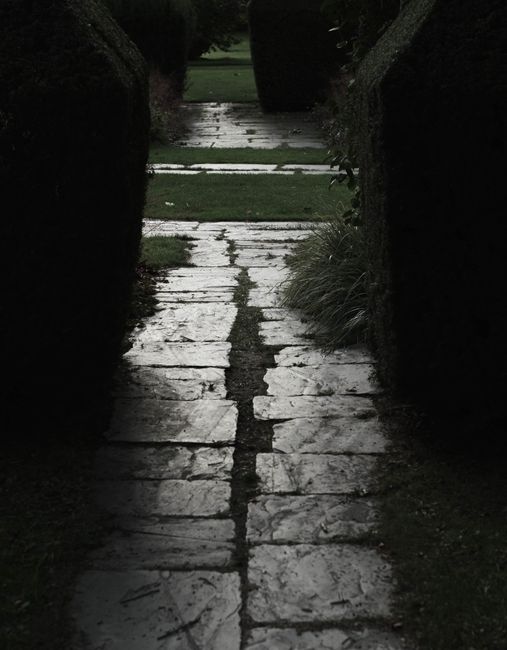
Garden maintenance for homes near Downham Woodland Walk
If you live near Downham Woodland Walk, your garden gets the best and the worst of local life all at once: shade from mature trees, extra leaf fall, damp mornings, patchy light, and that familiar mix of birdsong and busy family routines. Garden maintenance for homes near Downham Woodland Walk is not just about keeping things neat. It is about making a small outdoor space work properly through the seasons, without letting it turn into a weekend stress project.
That might mean staying on top of pruning, clearing debris, feeding tired soil, taming a lawn that never quite behaves, or simply making sure the front and back garden still feel welcoming after a wet spell. Truth be told, a lot of garden problems start small and then quietly snowball. The good news? With a sensible maintenance plan, most of them are easy to control.
This guide breaks down what garden maintenance involves, why it matters in this part of Downham, how professional and DIY routines differ, and what to watch out for if your garden sits close to woodland edges, shaded paths, or heavily used family homes. If you are considering support, you may also want to look at the garden services overview, or read more about the team on the about us page.
Table of Contents
- Why Garden maintenance for homes near Downham Woodland Walk Matters
- How Garden maintenance for homes near Downham Woodland Walk Works
- Key Benefits and Practical Advantages
- Who This Is For and When It Makes Sense
- Step-by-Step Guidance
- Expert Tips for Better Results
- Common Mistakes to Avoid
- Tools, Resources and Recommendations
- Law, Compliance, Standards, or Best Practice
- Options, Methods, or Comparison Table
- Case Study or Real-World Example
- Practical Checklist
- Conclusion
- Frequently Asked Questions
Why Garden maintenance for homes near Downham Woodland Walk Matters
Gardens close to woodland corridors tend to age differently from neat suburban plots. More shade means slower drying after rain. Leaf litter builds up fast. Moss and algae can creep across paving. Wind-blown seeds turn into surprise seedlings. And if your fence line backs onto trees or dense planting, you may notice more roots, more debris, and a little more wildlife traffic than you bargained for.
That is not a bad thing, by the way. It can be lovely. But it does mean the garden needs more regular attention if you want it to stay healthy rather than simply survive.
Maintenance matters for a few practical reasons:
- It protects plant health. Crowded borders, compacted soil, and unmanaged shade quickly weaken shrubs and perennials.
- It keeps hard surfaces safer. Damp paving, algae, and fallen leaves can become slippery before you know it.
- It prevents small jobs from becoming expensive ones. A missed hedge trim or neglected lawn edge is easier to fix early.
- It improves how the property feels. A cared-for garden looks deliberate, calm, and lived-in rather than tired.
- It supports year-round use. If the space is used for family time, pets, entertaining, or drying washing, regular upkeep keeps it functional.
There is also a local rhythm to think about. In spring, gardens near woodland often come alive quickly and need fast growth managed before it gets away from you. In autumn, leaf clearance becomes a routine, not a one-off. Winter is about checking drainage, pruning wisely, and keeping pathways clear. Summer, meanwhile, is the season where everything looks good right up until it suddenly does not. Gardening. It keeps you honest.
How Garden maintenance for homes near Downham Woodland Walk Works
At its simplest, garden maintenance is a repeating cycle: assess, tidy, cut back, feed, protect, and reset. But the exact routine should match the property, not some imaginary perfect garden.
A maintenance visit or DIY session usually starts with a walk-through. You look for weeds, overgrowth, signs of pests or disease, blocked drains, tired soil, dead patches on the lawn, and anything that has changed since last time. Then comes the practical work: mowing, edging, pruning, sweeping, clearing, deadheading, weeding, and seasonal soil care.
Near Downham Woodland Walk, the method often needs slight adjustments because of shade and moisture. For example:
- Shaded lawns may need less frequent mowing, a higher blade setting, and better aeration.
- Border planting often benefits from mulching to hold moisture and suppress weeds.
- Paths and patios may need more regular sweeping to stop debris building up and becoming slippery.
- Hedges and shrubs can need extra shaping where they lean towards light.
Professional garden maintenance is usually more systematic. A good gardener will not just "tidy up"; they will notice patterns. Why is that shrub thinning from one side? Is the soil staying wet too long? Are the roots competing with nearby trees? Is the lawn suffering from shade, foot traffic, or poor drainage? That sort of observation is where proper value shows up.
If you are comparing support options, the pricing and quotes page is useful for understanding how work may be structured, while the contact us page is the obvious next step if you want to discuss a recurring schedule.
Key Benefits and Practical Advantages
People often think of garden maintenance as a visual upgrade. That is true, but a bit shallow. The real benefits go further.
| Benefit | What it means in practice | Why it matters near woodland |
|---|---|---|
| Healthier planting | Regular pruning, feeding, and weed control keep plants stronger | Shadier, damper conditions can encourage mildew and slow growth |
| Better drainage awareness | Maintenance helps spot pooling, blocked gullies, and soggy patches early | Leaf fall and tree cover can affect how water moves |
| Safer outdoor surfaces | Leaves, algae, and moss are cleared before they become a hazard | Woodland-adjacent gardens often stay damp for longer |
| More usable space | Clear paths and tidy borders make the garden easier to enjoy | Small outdoor spaces need to work hard |
| Lower long-term effort | Small recurring tasks stop big repairs or invasive overgrowth | Neglected corners near fences or trees can escalate quickly |
There is also a psychological benefit that people underestimate. A tidy, green space changes how you feel when you step outside with a mug of tea in the morning. The space becomes inviting. Not perfect. Just easy to live with. And that is usually enough.
Expert summary: The best garden maintenance near Downham Woodland Walk is not the most dramatic work; it is the steady, seasonal work that prevents damp, shade, and debris from taking over.
For households that prefer a professional, recurring service, checking the provider's insurance and safety information can give useful peace of mind, especially for work involving ladders, hedge cutting, or larger clearance tasks.
Who This Is For and When It Makes Sense
This kind of garden care is for more people than you might think.
- Busy homeowners who want the garden to stay under control without sacrificing weekends.
- Families who need a safe, usable outdoor space for children, pets, and general life chaos.
- Older residents who prefer reliable help with tasks that have become awkward or physically demanding.
- Landlords and property managers who need outdoor areas to stay presentable between tenancies.
- New homeowners who have inherited a garden that looks simple from the patio door and then turns out to be a small ecosystem.
It makes sense to arrange regular maintenance if you notice any of these signs:
- the lawn looks patchy, damp, or uneven for long periods;
- weeds keep returning faster than you can remove them;
- hedges or shrubs are blocking light or paths;
- debris builds up after wind or rain;
- you keep putting off jobs because they are awkward or time-consuming;
- the garden is starting to feel like a chore rather than a place to use.
Sometimes the right answer is not a full redesign. Sometimes it is simply a decent maintenance routine and a sensible seasonal plan. Honestly, that solves more than people expect.
Step-by-Step Guidance
If you are managing garden maintenance yourself, or just want to understand what a professional should be doing, this is the basic flow that tends to work best.
1. Start with a realistic assessment
Walk the whole garden and note what is urgent, what is seasonal, and what can wait. Look for dead wood, overgrowth, slippery areas, broken edging, bare patches, and plants that are clearly struggling. You do not need to fix everything in one go. In fact, trying to do so is how people end up muttering at a hedge for twenty minutes.
2. Clear the obvious debris first
Remove leaves, fallen branches, old pots, broken ties, and anything that gets in the way of proper maintenance. This makes the rest of the job much easier. In a shaded garden, clearing debris also helps reduce rot and discourages pests from hiding in damp corners.
3. Tackle weeds before they spread
Weed control is easiest when done regularly. Pull annual weeds before they seed. Lift deeper-rooted weeds properly so they do not bounce back. Around paving, use a tool suited to the surface rather than hacking at joints and damaging them.
4. Prune with purpose, not enthusiasm
It is tempting to go in heavy-handed, especially after a plant has grown wildly. But pruning should support shape, airflow, and future growth. Remove dead, damaged, or crossing branches first. Then thin or shorten only as needed. When in doubt, less is often safer than more.
5. Mow, edge, and define the space
Edges matter. A neatly cut lawn with sharp borders instantly looks more cared for. Near woodland, where growth can be softer and faster, keeping edges crisp helps the garden feel intentional rather than overrun.
6. Feed, mulch, and improve the soil
Soil is the quiet engine of the garden. If it is tired, compacted, or covered in poor debris, plants will struggle no matter how often you trim them. Organic mulch can help lock in moisture and reduce weeds. Feeding should be matched to the plant and the season, not done randomly.
7. Check water flow and drainage
After rain, observe where water sits. If the same patch stays boggy, there may be a drainage issue, compacted ground, or root competition. Catching that early is far easier than waiting until plants rot or paths become slick.
8. Finish with a simple maintenance schedule
Write down what needs doing monthly, seasonally, and annually. This is the bit people skip, then wonder why the garden gets out of hand again. A little structure goes a long way.
Expert Tips for Better Results
Good maintenance is partly about timing. The wrong job at the wrong time can create more work later. A few practical habits make a big difference.
- Work with the shade pattern. In gardens near trees or woodland edges, note which areas dry first after rain and which stay damp. Those damp spots need different care.
- Use a higher mower setting in shaded lawns. Short grass in low light often weakens faster.
- Deadhead regularly. It keeps ornamental plants tidy and encourages better flowering.
- Mulch before summer heat or winter cold. It steadies the soil a bit, which plants appreciate even if they do not say thank you.
- Keep paths and steps clear. Leaf litter and algae can turn a nice entrance into a slip risk very quickly.
- Don't ignore one ugly corner. We all have one. That spot near the fence, behind the shed, or along the compost bin. Deal with it before it becomes a small wilderness.
Here is a small but useful observation from real garden work: the gardens that stay easiest to manage are rarely the fanciest. They are the ones with regular, light attention. Little and often. That rhythm beats a heroic once-a-season blitz nearly every time.
If sustainability matters to you, ask how clippings, branches, and green waste are handled. The recycling and sustainability page is a sensible place to check how the business approaches waste and greener working practices.
Common Mistakes to Avoid
Most garden problems are not dramatic. They are the result of small habits repeated too long.
- Cutting too much at once. Heavy pruning can shock plants, reduce flowering, or leave them vulnerable.
- Leaving leaf litter to mat down. In shaded gardens, this quickly turns into damp, slippery, messy ground.
- Ignoring drainage issues. Repeated puddling is a clue, not just bad luck.
- Using the same routine all year. A summer garden and a winter garden need different care.
- Forgetting the edges and borders. Untidy borders make the whole garden feel worse than it is.
- Not checking for safety risks. Loose paving, unstable steps, or awkward access should be addressed, especially if work involves ladders or power tools.
Another common mistake is trying to maintain a woodland-adjacent garden as if it were a dry, open city plot. It is not. Conditions are different. Once you accept that, your decisions get easier.
Tools, Resources and Recommendations
You do not need a van full of kit to maintain a garden well. A focused toolkit is usually enough.
- Hand tools: secateurs, loppers, hand fork, trowel, edging tool
- Cleaning tools: stiff broom, leaf rake, bucket, debris bags
- Lawn care tools: mower with adjustable height, rake or scarifier for thatch, edging shears
- Soil care items: compost, mulch, feed appropriate to the plant type
- Safety basics: gloves, sturdy footwear, eye protection when needed
For homeowners who would rather not store or maintain all that equipment, a professional service can be simpler. That is especially true if your garden needs repeat care rather than one-off rescue work. If you want to understand service scope before booking, the services overview page gives a useful starting point, and the pricing and quotes page can help you plan the next step without guesswork.
One practical recommendation: keep a very simple garden log. Nothing fancy. Just notes on when you pruned, when you fed the lawn, where moss appeared, or which plants struggled in shade. After a season or two, patterns become obvious. And once you see the pattern, you can work around it instead of fighting it.
Law, Compliance, Standards, or Best Practice
Garden maintenance is not usually a heavily regulated activity in the everyday sense, but there are still sensible standards to follow, particularly if work is being carried out by someone else on your property.
Best practice includes:
- Clear communication about the job. Everyone should understand what is included and what is not.
- Safe working methods. Tools, ladders, and cutting equipment should be used responsibly.
- Appropriate insurance. This is worth checking for any professional service working on your home.
- Respect for access and boundaries. Particularly important in shared entrances, narrow side returns, or properties close to pedestrian paths.
- Responsible waste handling. Green waste should be managed carefully rather than dumped or left behind.
If you are hiring help, it is reasonable to ask how safety is handled, how waste is disposed of, and how payment works. Those are not awkward questions. They are normal questions. The health and safety policy, payment and security, and terms and conditions pages are useful trust points for understanding how a provider operates.
If accessibility is important to you or a family member, it is also sensible to review the accessibility statement so you know how the business approaches inclusive use of its site and information.
Options, Methods, or Comparison Table
There are a few ways to handle garden maintenance near Downham Woodland Walk, and the right choice depends on time, confidence, and the condition of the garden.
| Approach | Best for | Pros | Trade-offs |
|---|---|---|---|
| DIY weekly upkeep | Small, manageable gardens and confident homeowners | Low direct cost, flexible timing | Can slip behind quickly; needs tools and time |
| Seasonal DIY plus occasional help | Homes that mostly stay tidy but need bigger jobs handled | Balanced cost and control | Requires planning and honest assessment |
| Regular professional maintenance | Busy households, larger plots, or problem gardens | Consistent standards, less stress, expert eyes | Ongoing spend, though usually easier to budget for |
| One-off tidy-up service | Overgrown gardens or pre-sale preparation | Fast visual improvement | Does not prevent future build-up unless followed by routine care |
To be fair, most homes do best with a hybrid approach. A professional clears the heavy lifting, then the homeowner keeps things from sliding back. That usually gives the best long-term result without making the garden feel like a second job.
Case Study or Real-World Example
A typical local scenario goes like this. A family living near the woodland notices their back garden has become patchy and damp-looking after a wet spring. The lawn is thin in the shaded corner. Leaves collect along the fence. A couple of shrubs have grown leggy and lean toward the light. Nothing is seriously broken, but the garden has started to feel a bit neglected.
The fix is rarely dramatic. The first visit clears debris, reduces the worst of the overgrowth, and restores the edges. The lawn is cut at a better height, shaded sections are aerated if needed, and the soil is improved with mulch. Pruning is done carefully so the shrubs keep shape without being stripped bare. Then a follow-up maintenance plan is set out: lighter work every few weeks, with extra attention in autumn and after periods of rain.
What changes? Not just the appearance. The garden becomes easier to walk through, less slippery, and more inviting again. The family starts using the patio in the evening instead of avoiding it. And the odd thing is, once the space feels manageable, people tend to look after it better themselves. That momentum matters.
Practical Checklist
Use this checklist to keep things simple.
- Walk the garden and note urgent issues
- Clear leaves, branches, and loose debris
- Check for slippery paths and moss build-up
- Remove weeds before they spread or seed
- Prune dead or damaged growth first
- Trim hedges and edges neatly
- Inspect lawn condition and mowing height
- Add mulch where soil dries out or weeds return quickly
- Look for drainage problems after rain
- Confirm waste is bagged or recycled responsibly
- Set a monthly or seasonal care routine
Quick takeaway: If your garden near Downham Woodland Walk feels difficult to manage, start with the shaded, damp, and debris-prone areas first. Those are usually the places where maintenance pays off fastest.
Conclusion
Garden maintenance for homes near Downham Woodland Walk works best when it respects the local conditions rather than fighting them. Shade, leaf fall, damp surfaces, and seasonal growth all shape how your garden behaves. Once you understand that, the whole job becomes more manageable. Less guesswork. Fewer surprises.
Whether you handle the work yourself or prefer regular help, the goal is the same: a garden that is safe, attractive, and easy to enjoy through the year. Not perfect. Just properly looked after. And honestly, that is what most homes need.
If you are ready to take the next step, explore the available support, review the practical details, and choose a maintenance plan that fits your space and your schedule.
Get a free quote today and see how much you can save.
Frequently Asked Questions
How often should a garden near Downham Woodland Walk be maintained?
Most gardens in shaded or leafier settings benefit from light, regular attention rather than occasional big clear-ups. Weekly or fortnightly checks in growing season are often enough for small tasks, with seasonal visits for pruning, lawn care, and deeper tidy-up work.
Why do gardens near woodland areas need different care?
They usually stay damper for longer, collect more leaf litter, and get less direct sun. That changes how lawns dry, how fast weeds grow, and how quickly moss or algae can appear on paths.
Can I manage garden maintenance myself?
Yes, if the garden is small and you have the time. A simple routine of mowing, weeding, pruning, and clearing debris can go a long way. If the garden is overgrown or physically awkward, a professional visit can save a lot of effort.
What are the most important tasks in spring?
Spring usually means clearing winter debris, checking for damaged growth, pruning carefully, feeding tired soil, and getting lawns back into shape. It is also a good time to assess drainage and tidy borders before growth accelerates.
What should I do about moss on the lawn or paving?
Moss usually points to shade, moisture, or poor airflow. Removing it helps, but the underlying cause matters more. Raising mower height, improving light and drainage where possible, and reducing compaction can make a bigger difference over time.
How do I know if my hedge needs cutting back?
If it is blocking paths, pushing into neighbours' space, or growing unevenly toward the light, it probably needs attention. The best timing depends on the hedge type, so a measured approach is safer than cutting it back heavily in one go.
Is regular garden maintenance worth it for a small garden?
Usually, yes. Small gardens can look untidy very quickly because every plant and surface is more visible. Regular maintenance keeps them easier to use and far less stressful to manage.
What should I ask before hiring a gardener?
Ask what is included, how often work is recommended, how waste is handled, whether insurance is in place, and how payment works. Those details matter just as much as the visible gardening itself.
How do I keep a garden tidy between professional visits?
Focus on small jobs: sweep paths, remove fallen leaves, deadhead flowers, pull obvious weeds, and keep an eye on overgrown edges. Ten minutes here and there helps more than one heroic clean-up every few months.
What if my garden has drainage problems?
Start by noting where water collects and when it happens. After that, a gardener can assess whether the issue is compacted soil, blocked runoff, root competition, or something more structural. It is better to investigate early than wait for damage.
Are garden clippings and cuttings recycled?
They can be, if the service follows responsible green waste handling. If this matters to you, check how waste is managed and whether the business takes sustainability seriously. It is a sensible question, not a fussy one.
What is the best time of year for a bigger garden tidy-up?
Many people choose spring or autumn, because those are natural reset points. Spring prepares the garden for growth, while autumn clears away the mess that summer and falling leaves leave behind. Either can work, depending on the state of the garden.