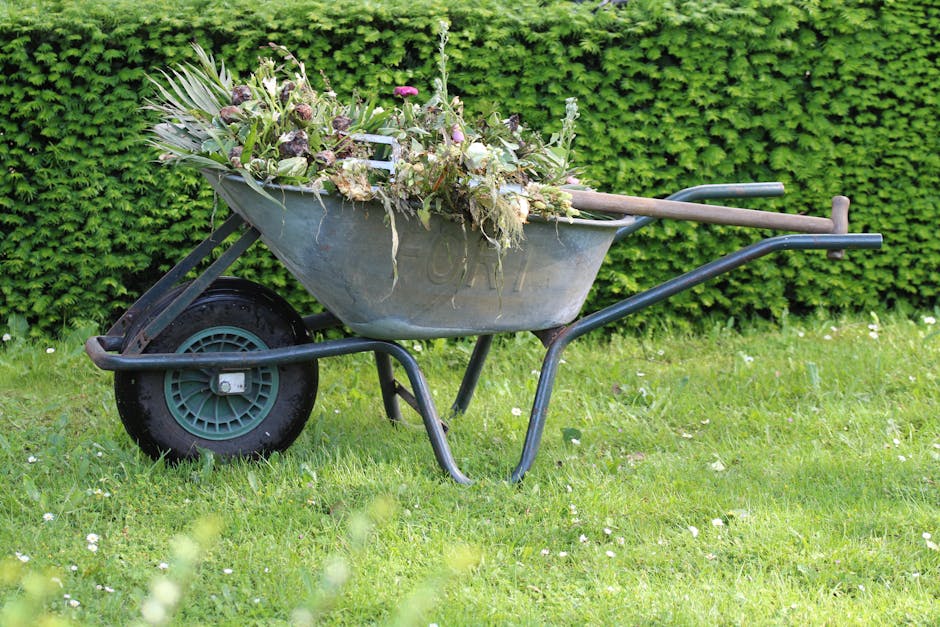
Downham Way Gardeners for Fast Garden Clearance and Removal
If your garden has tipped from "a bit untidy" into "where do we even start?", you are not alone. A fast clearance can make a huge difference very quickly, especially when you need the space back for family life, a let, a sale, or simply a calmer view out the kitchen window. Downham Way gardeners for fast garden clearance and removal are typically called in when the job is too heavy, too messy, or too time-sensitive to tackle properly in one weekend.
That might mean brambles swallowing a fence, old pots stacked under damp leaves, soil bags you never quite got round to moving, or a hedge that's gone from manageable to mildly intimidating. Truth be told, garden clearance is one of those jobs that looks simple from a distance and then gets big fast. This guide breaks down what fast clearance and removal actually involve, how the work is usually carried out, what to expect, and how to judge whether a service is the right fit for your garden.
For readers comparing services, it may also help to look at the broader services overview and the dedicated garden clearance service page for a clearer picture of what is included.
Quick expert summary: fast garden clearance is not just about speed. The best results come from a tidy plan, safe removal, sensible waste handling, and a finish that leaves the space genuinely usable rather than simply "emptied out".
Why Downham Way gardeners for fast garden clearance and removal Matters
A neglected garden does more than look tired. It can block access, attract pests, hide damaged fencing, make maintenance harder, and turn a simple weekend job into a project you keep avoiding. Fast clearance matters because delay usually adds weight to the workload. Wet leaves get slippery. Green waste matures into dense, awkward material. Small tasks become layered tasks.
In a busy London street, speed matters for practical reasons too. You may need the front or back garden cleared before repairs, tenancy changes, estate agent photos, a landscaping visit, or just to stop waste taking over the space. If your shed has been used as a storage graveyard for cracked planters and old timber, you will know the feeling. It is not just clutter. It is friction.
Downham Way gardeners who focus on clearance and removal are useful because they bring order to a job that usually lacks it. They can sort what stays, what goes, what needs cutting back, and what must be handled carefully. That matters especially where there are heavy branches, awkward roots, thorny growth, or bulky items that need lifting without damaging paving or borders.
If your priority is to reset the garden quickly and safely, pairing clearance with ongoing upkeep often makes sense. Services such as garden maintenance, lawn mowing, and hedge trimming can help stop the same mess returning a few weeks later. That is the bit many people forget.
How Downham Way gardeners for fast garden clearance and removal Works
Most fast clearance jobs follow a straightforward pattern, though the exact order depends on the size and condition of the space. First comes a look at what is actually there. This sounds obvious, but it is where good jobs begin. A proper assessment helps identify bulky waste, overgrown areas, trees or branches needing special handling, and whether access is tight.
After that, the work is usually split into sections. A typical clearance might include cutting back overgrowth, lifting loose waste, removing unwanted items, bagging or loading green waste, and sweeping or raking the area down. The aim is to leave the garden clean, open, and ready for whatever happens next.
If there are trees or larger woody stems involved, a clearance may need to be combined with specialist work such as tree lopping and removal. That is not overkill; it is just common sense. A branch that looks manageable from the patio can be much less manageable when it's above shoulder height or tangled in a fence line.
Good services also think about disposal. Fast does not mean careless. Removed material should be sorted appropriately, with reusable green waste handled differently from broken furniture, contaminated waste, soil, or hard landscaping debris. If the garden is being cleared for a bigger redesign, then a later phase may involve landscape gardening or broader landscaping work once the site is clean and workable.
Key Benefits and Practical Advantages
The biggest benefit is obvious: you get usable space back. But there is more to it than that. Fast clearance also lowers stress. A cluttered outdoor space has a way of hanging over you. You see it every time you open the curtains. It nags a bit. Once the area is cleared, the place feels lighter. Smaller. Easier.
Other practical benefits include:
- Faster turnaround: useful when you are working to a deadline.
- Safer access: fewer trip hazards, fewer hidden obstacles.
- Better preparation for further work: useful before fencing, turfing, decking, or planting.
- Less physical strain: especially important if the job includes heavy bags or awkward lifting.
- Cleaner finish: the garden looks genuinely reset rather than half-done.
There is also a planning advantage. A proper clearance reveals what you actually have to work with. Hidden paving edges, poor drainage, damaged sleepers, rotten timber, or areas invaded by self-seeded growth are often uncovered only after the clutter is removed. That clarity helps avoid guesswork later. And guesswork in a garden? Usually expensive, or at least annoying.
For homeowners or landlords who want to keep the outdoor space in regular shape after the initial tidy-up, it can be useful to combine clearance with ongoing care or periodic visits. A service plan built around garden maintenance often saves more hassle than repeated emergency clear-outs.
Who This Is For and When It Makes Sense
Fast garden clearance is not only for overgrown jungles, though those are common enough. It makes sense for a surprisingly wide range of situations.
- Busy homeowners who need the garden brought back under control quickly.
- Landlords and letting agents preparing a property between tenancies.
- People planning renovations who need a clear site before other trades arrive.
- Families who want a safer area for children or pets.
- Older residents who do not want the physical strain of heavy lifting and cutting.
- Gardeners on a budget who want the most urgent work cleared first, then improvements phased in later.
It also makes sense if the garden has become difficult to access. Sometimes a gate is blocked by stored items. Sometimes the main issue is simply not being able to see the structure of the space anymore. Once you have a path cleared and the borders opened up, decisions become much easier. Where will the compost go? Does that hedge still need to stay? Is the lawn worth rescuing?
A quick example: a side return full of damp leaves, cut branches, and broken planters can often be cleared in a single visit if the job is well organised. Leave it another month, and the whole pile settles, compresses, and becomes heavier. Small problem. Bigger problem. That is usually how it goes.
Step-by-Step Guidance
If you are arranging a clearance job, a simple process helps avoid wasted time.
- Walk the garden properly. Note what needs removing, what should be kept, and any hazards such as glass, nails, loose slabs, or hidden cables.
- Separate the obvious categories. Green waste, timber, soil, metal, plastic pots, and general rubbish are easier to handle when identified early.
- Decide what "fast" really means. Same-day, next-day, or within the week? Be realistic about access and volume.
- Ask about loading and disposal. A proper clearance should not end with bags left by the fence and a vague promise to sort it later.
- Flag anything delicate. Newly laid paving, fragile borders, buried irrigation, and garden lighting need care.
- Plan the aftercare. Once the space is clear, decide whether you need mowing, hedge work, or more regular maintenance.
One useful habit: take a few photos before the work starts. Not for drama. Just for clarity. They help you compare before and after, and they can make quoting much smoother if the garden is awkward or partly hidden from view.
For service comparison and next steps, the pricing and quotes page can be useful if you want to understand how estimates are usually approached.
Expert Tips for Better Results
After enough clearance jobs, a few patterns show up. The best outcomes are rarely the flashiest. They are the jobs where the plan is simple, the access is clear, and the client is honest about what needs doing. That sounds basic, but it saves time.
- Keep a "must remove" list and a "maybe keep" pile. Indecision slows everything down.
- Clear in order of access. Start near gates, paths, and doors so the rest of the job becomes easier.
- Cut back before you lift. Overgrown material is much easier to move once it is shortened and bundled.
- Use the clearance to spot hidden issues. Rotten timber, broken edging, and uneven ground often become visible once the clutter goes.
- Think about seasonal growth. A garden cleared in spring may need attention again very differently by late summer.
To be fair, people often try to do the tidy-up in one heroic burst and then spend the next day with sore shoulders and a half-full trailer. Not ideal. Better to divide a big job into clear stages: remove, sort, load, sweep, inspect, then finish. Clean and simple.
If sustainability matters to you, ask how waste is handled and whether materials are separated sensibly. The recycling and sustainability information is a good reference point for readers who want to think about greener disposal and better reuse habits.
Common Mistakes to Avoid
Fast clearance goes wrong most often when people underestimate the job. A few classic mistakes come up again and again.
- Trying to remove everything at once: this creates more mess than momentum.
- Ignoring access: a narrow side path, steep step, or locked gate can slow work more than the waste itself.
- Mixing all materials together: green waste, rubble, and household rubbish often need different handling.
- Forgetting hidden hazards: nails in old timber, broken glass, and unstable piles are the things that catch people out.
- Skipping the after-plan: if you do not know what happens after clearance, the garden often slides back into disorder.
Another quiet mistake is choosing "fast" but not "thorough". The space may look better for a day, then you notice the corner pile, the missed roots, the half-cut climber, the old bags tucked behind the shed. That's the kind of job that never really ends. Better to do it properly once.
If there are health and safety concerns, it is sensible to review the company's health and safety policy and insurance and safety information before work begins.
Tools, Resources and Recommendations
A professional clearance team usually brings a mix of cutting, lifting, loading, and clean-up equipment depending on the job. The exact kit varies, but the principle is always the same: use the right tool so the work is quicker and less damaging.
| Task | Typical tool or approach | Why it helps |
|---|---|---|
| Cutting back overgrowth | Secateurs, loppers, pruning saws, brushcutting tools | Makes dense growth manageable before lifting or loading |
| Removing bulky waste | Wheelbarrows, sacks, trolleys, lifting tools | Reduces strain and speeds up transport to the load point |
| Tree or large branch work | Specialist cutting and safe sectional removal | Protects fences, roofs, and nearby planting |
| Final tidy | Rakes, brooms, blowers, hand-sweeping | Leaves the site ready for the next stage |
For many customers, the smartest move is to combine clearance with one or two immediate follow-up services rather than leaving the garden in a "cleared but unfinished" state. A quick mow, hedge trim, or light tidy can make the space look finished much sooner. The services most likely to complement clearance are lawn mowing, hedge trimming, and, where required, tree lopping and removal.
Practical recommendation: if your garden has both overgrowth and hard surfaces, ask how the team protects patios, steps, and edging while moving material. The difference between careful clearance and a rough one is often visible in the little details. Mud where it should not be. Scrapes on a gate. Soil in the wrong corner. You notice.
Law, Compliance, Standards, or Best Practice
Garden clearance is not the most heavily regulated home service in the world, but there are still sensible standards to follow. In the UK, waste handling, safe lifting, and responsible disposal matter. If material leaves your garden, it should be managed appropriately and not simply dumped in a way that creates problems for someone else. That part is non-negotiable in good practice.
Safety is another big one. Large branches, unstable piles, hidden sharp objects, and slippery surfaces all create avoidable risk. Professional teams should work with proper precautions, especially where cutting or lifting heavier materials is involved. If a job includes trees, walls, or fragile structures, careful sequencing matters more than speed alone.
Best practice also includes clear communication about what is being removed, what stays, and what happens to the waste. If you are comparing providers, look for straightforward explanations, sensible terms, and a clear quotes process. The terms and conditions and pricing and quotes pages can help set expectations in a practical way.
In simple terms: a good clearance job should be safe, tidy, and traceable. Not theatrical. Just competent. That's what people really want.
Options, Methods, or Comparison Table
Not every clearance needs the same approach. Some gardens need a light reset. Others need a full removal. A comparison helps when you are deciding how much help you actually need.
| Method | Best for | Strengths | Limitations |
|---|---|---|---|
| Light tidy and removal | Small amounts of waste, basic reset jobs | Quick, affordable, low disruption | Not suitable for heavy overgrowth or bulky debris |
| Full garden clearance | Dense growth, accumulated waste, neglected spaces | Transforms the space and clears access | Needs more time, labour, and disposal planning |
| Clearance plus maintenance | People who want the garden to stay tidy | Prevents the same problem returning quickly | Needs a follow-up schedule |
| Clearance plus landscaping | Gardens being redesigned or improved | Creates a clean starting point for bigger change | Usually a multi-stage project |
If you are not sure which method fits, start by thinking about the end result you want. Is the priority to make the garden safe? Ready for guests? Prepared for sale? Easier to maintain? The answer changes the plan, and that's okay.
Case Study or Real-World Example
Here is a realistic example from the sort of job many Downham Way gardeners deal with. A rear garden had become cluttered after a winter of postponed jobs: fallen twigs, piles of dead growth, a broken compost bin, bags of old soil, and a hedge that had crept into the path. Nothing dramatic on its own. Together, though, it made the space feel locked away.
The work started with clearing the path and cutting back the hedge enough to open access. Then the larger waste was removed in stages, with green material separated from old broken items. Once the main obstruction was gone, the team could see a section of lawn that still had life in it, plus a border that only needed a basic reset. What looked like a full overhaul from the kitchen door was, in practice, a focused clearance with a few tidy follow-up tasks.
The useful lesson here is simple: you do not always need to rebuild the whole garden. Sometimes you need to remove the noise first. Then the real shape of the space comes back. And honestly, that moment is satisfying. Very satisfying, actually.
Jobs like this often benefit from a broader service pathway, starting with garden clearance and then moving into light ongoing care or selective improvements once the layout is visible again.
Practical Checklist
Use this checklist before booking or starting fast garden clearance and removal.
- Identify what must be removed and what should remain.
- Check access points, gates, steps, and narrow passages.
- Look for hidden hazards such as glass, nails, or unstable piles.
- Decide whether the job needs only clearance or also trimming, mowing, or tree work.
- Ask how waste will be sorted and removed.
- Confirm whether the finish should be a basic clear-out or a fully tidy garden.
- Review the quote carefully and make sure the scope is understood.
- Think about follow-up maintenance so the garden does not relapse.
Helpful rule of thumb: if you can't walk the garden comfortably without stepping over things, it is probably time for proper clearance rather than another "we'll do it next weekend" conversation.
Get a free quote today and see how much you can save.
Conclusion
Fast garden clearance is one of those services that delivers immediate relief. Not just visual relief, but practical relief too. Paths open up. Jobs become clearer. The garden stops feeling like a burden and starts feeling like a space again. That is the real value.
For Downham Way homeowners, landlords, and anyone trying to get on top of an unruly outdoor space, the best approach is usually simple: clear what is in the way, remove what no longer belongs, and plan the next step before the mess has a chance to return. A tidy garden does not need to be perfect. It just needs to work for your life.
If you want to know more about the team behind the work, you can also review the about us page, or make direct contact through the contact us page when you are ready. Small step, but a useful one. And sometimes that's all it takes to get a neglected garden moving in the right direction.
Frequently Asked Questions
What does garden clearance usually include?
Garden clearance usually covers removing overgrowth, collecting loose green waste, clearing unwanted items, and leaving the area tidy. Depending on the job, it may also include pruning, hedge cutting, light tree work, and sweeping the space down afterwards.
How fast can a garden clearance be done?
That depends on the size of the garden, access, and how much material needs removing. Small clearances can be quick, while neglected gardens may need more time. The real answer is: it should be done as fast as possible without cutting corners.
Do I need to sort the waste before the team arrives?
No, not usually. It helps if you separate obvious items you want to keep, but a good clearance team can sort waste during the job. If you do pre-sort, though, it can save time and reduce confusion. Handy, that.
Can clearance include tree cutting or stump-related work?
Yes, if the service provider offers that type of work. Larger branches, awkward stems, or overhanging growth may need specialist handling. In some cases, a separate tree service is the safer and better option.
Is garden clearance different from garden maintenance?
Yes. Clearance is about removing built-up mess and restoring access. Maintenance is about keeping the garden in shape after that initial reset. Many people need both, just at different stages.
What should I ask before booking a fast clearance?
Ask what is included, how waste is removed, whether access matters, and what happens if the job is larger than expected. It also helps to ask about insurance, safety, and whether the quote is based on photos or a visit.
How do I know if my garden needs a full clearance?
If you cannot easily move through the garden, if waste has accumulated in layers, or if overgrowth is blocking normal use, a full clearance is usually the right call. If you are unsure, a short assessment is often enough to tell.
Will clearance damage my lawn or borders?
It should not, if done carefully. A professional approach protects lawns, paving, and planting where possible. The key is careful movement, correct tools, and clear communication about fragile areas before work starts.
Can garden clearance help before selling a property?
Absolutely. A clear garden makes a property feel more open, better cared for, and easier to picture. It does not have to be landscaped immediately, either. A clean, uncluttered space often makes a stronger impression than a messy one.
What happens to the waste after it is removed?
That depends on the material and the service provider's disposal process. Good practice is to separate green waste, reusable materials, and general rubbish appropriately and dispose of everything responsibly. If sustainability matters to you, ask about that before the job begins.
What if my garden is very overgrown and I do not know where to start?
Start with a clear aim: make it safe, make it accessible, or get it ready for a bigger project. Then walk the space and note the worst obstacles. If that still feels overwhelming, a proper clearance visit can turn confusion into a simple plan pretty quickly.
Do I need ongoing maintenance after a clearance?
It is not mandatory, but it is often the best way to protect the work you have just paid for. A cleared garden can slip back surprisingly fast if grass, hedges, and weeds are left unchecked. A light ongoing plan usually keeps things far easier to manage.