Best gardeners for Downham Park terraces and small yards
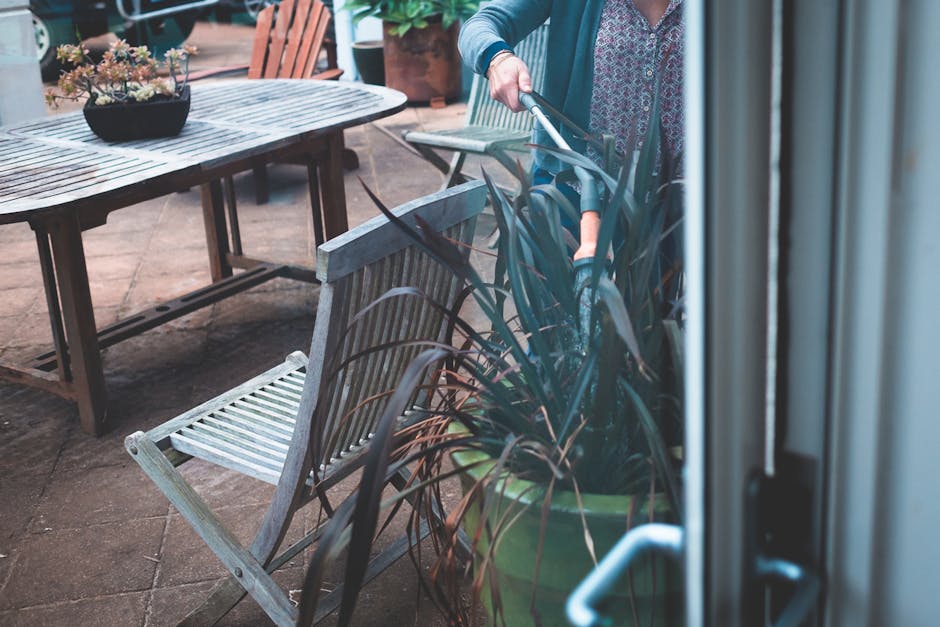
If you live with a terrace, compact courtyard, or a small yard in Downham Park, you already know the truth: the space may be small, but it still asks for proper care. A tiny garden can go from charming to cluttered in a blink. Potted plants dry out, hedges push too far, lawn edges blur, and suddenly the whole place feels tighter than it should. That is where the best gardeners for Downham Park terraces and small yards really earn their keep. They understand limited access, awkward corners, neighbour-friendly working, and how to make a small outdoor space feel calm rather than cramped.
This guide breaks down what to look for, how the work usually runs, what good service looks like, and the common mistakes that waste time and money. If you are comparing providers, you will also find a few practical questions to ask before you book. Simple enough. But the details matter, and in a small garden they matter quite a lot.
For a wider view of available help, it can also be useful to browse the services overview and see how different tasks fit together.
Why Best gardeners for Downham Park terraces and small yards Matters
Small outdoor spaces are deceptively demanding. A terrace or yard might only be a few metres across, yet every planter, paving joint, hedge line, and storage corner affects how the whole area feels. When the space is looked after well, it becomes an extra room. When it is not, it becomes a place you avoid. That sounds dramatic, but it happens all the time.
The best gardeners for Downham Park terraces and small yards know that scale changes everything. A rough-cut lawn that might pass unnoticed in a large garden can look untidy immediately in a compact one. A hedge trimmed badly by a few centimetres can make a narrow boundary feel crowded. Even simple things like leaf fall, self-seeding weeds, or moss on paving can quickly make the area look older and more neglected than it is.
There is also the practical side. Small spaces often have tighter access through side gates, shared paths, basement steps, or awkward rear entries. Equipment has to be chosen carefully. Materials need to be moved with less disruption. And if neighbours are close by, work has to be tidy, respectful, and reasonably quiet. You do not want a job that feels like a small construction site at 8 a.m., let's face it.
Expert summary: In a compact garden, good gardening is less about doing more and more about doing the right things neatly, consistently, and without overwhelming the space.
This is why small-yard gardening is not just "standard gardening, but less of it". It is a slightly different discipline. It rewards gardeners who can see proportion, not just plant life. It also rewards people who can keep a regular maintenance rhythm instead of waiting until the space is already out of control.
How Best gardeners for Downham Park terraces and small yards Works
Good service usually starts with a walk-through or at least a clear conversation about the layout. What surfaces do you have? Is there lawn, paving, beds, decking, pots, gravel, or a narrow strip of planting? Where does the light fall? Is there poor drainage after rain? Are there pets, children, or shared access points to think about? These are not just small details. They shape the whole plan.
In practice, a reliable gardener will usually begin by prioritising what changes the space most visibly and most safely. That often means clearing clutter, cutting back overgrown growth, defining edges, and restoring structure. From there, the work can move into ongoing maintenance such as mowing, trimming, weeding, feeding, planting refreshes, and seasonal tidy-ups. If the yard has become heavily overgrown, a focused garden clearance can reset the space before routine care begins.
For many small gardens, the best results come from a maintenance rhythm rather than a one-off dramatic makeover. A little and often approach tends to hold shape better. It also keeps costs more predictable, which matters if you are working with a modest garden budget. A lot of people only notice the benefit after the first few visits: the space starts to breathe again.
Some clients want a simple tidy and cut-back. Others want a smarter long-term plan with better planting, improved use of containers, or a small layout tweak. That is where broader services such as landscape gardening or landscaping can be useful, especially if the current layout feels awkward or underused.
Key Benefits and Practical Advantages
There are some obvious benefits, and some that only become clear once the garden has been properly maintained for a while.
- Better use of space: clean lines, trimmed growth, and sensible planting make compact areas feel larger.
- Easier upkeep: a tidy yard is much quicker to maintain than an overgrown one.
- Improved safety: clear paths, controlled growth, and level sightlines reduce trip hazards and awkward corners.
- More usable outdoor living: you are more likely to sit outside, water plants, or host a quick coffee if the space feels pleasant.
- Better kerb appeal: even a small front terrace can create a strong first impression.
- Less stress: a garden that stays under control simply feels lighter to live with.
For many homeowners, the real win is emotional. A tiny yard can either feel like another chore or a little reset zone. On a grey London afternoon, a neat courtyard with a few well-chosen plants can do a lot for the mood. That is not fluff. It is just how people live.
There is also value in using the right specialist for the right task. For example, if your space has a narrow hedge that keeps leaning into a path, hedge trimming done with an eye for shape can make the whole boundary look sharper. If the main issue is a tired lawn patch, then a proper lawn mowing service or lawn care routine may be the faster route to a tidy finish.
Who This Is For and When It Makes Sense
This kind of gardening support makes sense for a surprisingly wide range of people. Not just busy professionals, although they are a big part of the picture. It also helps older homeowners, landlords, new movers, families who have inherited an untidy plot, and anyone who wants the garden to be manageable rather than permanently "on the list".
You might especially need help if:
- your terrace or yard is too small for the amount of growth it produces;
- access is awkward and makes DIY gardening frustrating;
- you do not have time for regular maintenance;
- the space has become visually cluttered with pots, debris, or unused items;
- you want a more polished look without a full redesign;
- you need seasonal work before a property sale, rental inspection, or family event;
- you have a mixed space with planting, paving, and maybe a bit of decking that all need different treatment.
Sometimes people ask whether they need a gardener or a landscaper. Fair question. If you mainly need upkeep, trimming, mowing, weeding, and light shaping, a gardener is usually the sensible starting point. If the space needs redesign, structural change, or a fresh layout, then a more design-led service may suit better. You do not always need the biggest job. Sometimes you just need the right one.
For regular upkeep, garden maintenance is often the most efficient option because it keeps things from sliding back into a tangle.
Step-by-Step Guidance
If you want the best result from a gardener, a bit of preparation helps. Nothing fancy, just sensible steps.
- Assess the space honestly. Look at what actually needs attention, not what you wish was wrong. Is the issue weeds, hedge bulk, poor layout, moss, drainage, clutter, or all of it together?
- Note access and restrictions. Measure gate widths if needed, check where tools can be carried, and think about parking or shared entrances.
- Prioritise the outcome. Do you want a neater look, safer paths, more privacy, a planting refresh, or easier maintenance?
- Separate urgent from optional work. Safety issues and overgrowth come first. Decorative improvements can wait.
- Ask what can be done in one visit. A small yard may be transformed by a single well-planned session, but some jobs are better staged over time.
- Set a maintenance rhythm. Monthly, fortnightly, or seasonal visits can keep the space under control.
A realistic example: a narrow rear yard with a tired patch of grass, a hedge leaning over the fence, and several pots full of half-dead summer bedding. The fastest improvement might not be a redesign. It could be clearance, hedge reduction, lawn edging, and a few fresh, low-maintenance plants. Simple. But it works.
If there are larger issues like damage, unstable trees, or unsafe branches, then specialist help may be needed. In those cases, a service such as tree lopping and removal may be more appropriate than general gardening, especially where safety is a concern.
Expert Tips for Better Results
Small spaces reward discipline. A few strong choices usually beat a lot of little compromises.
Choose structure first, then decoration
In a compact garden, structure does the heavy lifting. Edges, levels, boundaries, and clear circulation matter more than people think. Once those are tidy, the planting has room to shine.
Prefer fewer, stronger plants
A crowded terrace can look busy in a bad way. A small number of well-suited plants often looks more generous. You get breathing room, not visual noise.
Keep the height balanced
Vertical planting can be brilliant in a small yard, but too much height on one side makes the space feel pinched. Good gardeners balance upright plants with lower textures and open areas.
Use containers with purpose
Pots are useful, but too many can become a nuisance. Pick containers that suit the scale of the space, and group them in threes or fives where possible. That usually looks calmer than a scattered mix.
Schedule work before growth peaks
Spring and early summer can change a small garden quickly. A short delay can turn a neat space into a scramble. A bit annoying, but true. Stay ahead of it if you can.
If you are planning a small refresh, you may also want to look at practical additions like decking services where a raised or defined surface could make the yard more usable. That is not right for every garden, of course, but in some terraces it gives you a clean, low-maintenance sitting area.
Common Mistakes to Avoid
Most disappointing outcomes in small gardens come from trying to do too much, too quickly, or without a clear sense of scale. Here are the usual traps.
- Overcrowding the space: too many plants, ornaments, and furniture pieces make a small yard feel cramped.
- Ignoring maintenance after the first tidy-up: one good visit helps, but the benefits fade if nothing follows.
- Choosing plants that outgrow the space: fast spreaders or tall varieties can dominate quickly.
- Skimping on edging and definition: messy edges make compact gardens feel unfinished.
- Forgetting about drainage: puddles and soggy patches can be a real nuisance in courtyards and paved areas.
- Using the wrong service for the job: a simple tidy is not the same as a redesign, and a redesign is not the same as clearance.
One mistake worth calling out is the "I'll sort it next weekend" habit. In a large garden, that can be harmless for a while. In a small yard, it often snowballs. A bit of growth here, a few weeds there, and suddenly the whole space looks like it has had a rough month.
Another common issue is choosing low-cost help without checking whether the work will actually suit a tight terrace. If access is tricky and the edges matter, the cheapest quote can become expensive in the long run if the result needs redoing.
Tools, Resources and Recommendations
The best gardeners do not necessarily arrive with the most equipment. They arrive with the right equipment for the space. In a small yard, that often means compact tools, tidy handling, and a plan that minimises disruption.
Useful approaches and tools may include:
- compact hedge trimmers for tighter boundaries;
- hand shears for finer shaping and careful finishing;
- lightweight mowers or strimmers where lawn space is limited;
- spades, edging tools, and forks suited to small beds;
- litter and green-waste bags for efficient clear-up;
- planters and raised containers for flexible planting;
- simple storage or layout changes to reduce clutter.
For customers who want a tidy, repeatable service rather than a one-off intervention, a structured maintenance plan is often the best recommendation. That way, the garden is seen before it slips too far. It sounds obvious. Still, a lot of people only find that out after one or two messy seasons.
If you want to compare ways of keeping a compact garden presentable, it can help to review different service types in one place, including clearance, trimming, mowing, and general upkeep. That makes it easier to match the service to the actual problem instead of guessing.
Law, Compliance, Standards, and Best Practice
For most small domestic gardens, the main concern is not heavy regulation. It is good practice, safety, and responsibility. That said, reputable gardeners should still work carefully, with due regard for property boundaries, waste handling, and safe use of tools.
In the UK, it is normal for garden work to follow sensible health and safety habits: checking for hazards before starting, using tools correctly, protecting pathways, and being careful around pets, children, and shared access routes. Where waste is removed, it should be handled and disposed of responsibly rather than dumped or left in an untidy pile. Nobody wants that mess hanging around for a week.
It is also reasonable to expect clear service terms, fair payment practices, and transparent communication about what is included. If a provider has published information about their health and safety policy, insurance and safety, or payment and security, that can help build trust. These pages do not replace a conversation, but they do show the business is thinking properly about the basics.
Recycling and greener waste handling are also worth asking about. Even for a small job, it is reassuring to know clippings, branches, and cleared material are managed sensibly. You can also look at a provider's recycling and sustainability information if that matters to you. It often does, once people start thinking about regular upkeep.
Options, Methods, or Comparison Table
If you are deciding how to approach a small terrace or yard, this simple comparison may help.
| Approach | Best for | Pros | Watch-outs |
|---|---|---|---|
| One-off tidy-up | Overgrown or neglected spaces | Fast reset, visible improvement | Needs follow-up to stay neat |
| Regular maintenance | Busy homes, rental properties, neat terraces | Prevents build-up, easier budgeting | Less dramatic than a full redesign |
| Landscape-led refresh | Awkward layouts or tired design | Better flow, improved use of space | Usually takes more planning |
| Selective upgrade | Small improvements without full works | Lower disruption, targeted impact | Won't solve deeper layout issues |
In many cases, the best choice is a blend. For example, a customer might begin with clearance, then move to ongoing mowing or trimming, and later add a small layout improvement. That sequence is often more sensible than trying to fix everything in one go. More manageable. More realistic.
Case Study or Real-World Example
Here is a typical example from the kind of small-space work people ask for all the time.
A narrow rear yard had become difficult to use. The paving was sound, but weeds had colonised the joints, the hedge line had spread inward, and three large pots had turned into a sort of accidental barrier course. The owner did not want a full redesign. They just wanted the space back.
The job was tackled in stages: clear out dead material, cut back the hedge to restore width, tidy the edges, remove the clutter that was swallowing half the floor area, and reset the planting so the remaining containers actually complemented the space. Nothing theatrical. Just disciplined, practical gardening.
The surprising part? The owner said the yard felt larger without changing the footprint at all. That is the power of small-garden work done properly. Less visual drag. More usable room. And suddenly the place becomes somewhere you want to step into with a mug of tea, not somewhere you hurry through.
Practical Checklist
Use this before you book or brief a gardener.
- Is the space mainly terrace, yard, courtyard, or a mix?
- Do you need clearance, routine maintenance, trimming, or a layout rethink?
- Are there access issues such as narrow gates or shared entrances?
- Are any branches, hedges, or structures causing safety concerns?
- Do you want a one-off tidy-up or ongoing visits?
- Have you identified the main priority: appearance, usability, privacy, or safety?
- Are there pets, children, or neighbours to consider during the work?
- Do you need waste removed or recycled?
- Would a simple quote help you compare options more clearly?
- Have you checked the provider's approach to insurance, safety, and payment terms?
If you are still at the comparison stage, a good place to begin is often the provider's pricing and quotes information, because it sets expectations before anyone turns up with tools in hand.
Get a free quote today and see how much you can save.
Conclusion
The best gardeners for Downham Park terraces and small yards are not simply the ones who can cut, trim, and tidy. They are the ones who understand proportion, access, maintenance rhythm, and the little practical frustrations that come with compact outdoor spaces. That is what makes the difference between a space that just looks "done" and one that feels genuinely easy to live with.
If you choose well, the rewards show up quickly: clearer pathways, less clutter, healthier growth, and a garden you can actually enjoy rather than keep meaning to fix later. In a small yard, that sense of calm matters more than people sometimes admit. And to be fair, that is usually the whole point.
Frequently Asked Questions
What should I look for in the best gardeners for a small yard?
Look for someone who understands scale, tidy finishing, access limitations, and ongoing maintenance. A good small-yard gardener should ask about layout, priorities, and how you use the space, not just quote a quick price.
Do small terraces need regular maintenance or just one-off visits?
Both can work, but regular maintenance usually gives better long-term value. One-off work resets the space, while routine visits stop it from slipping back into overgrowth and clutter.
Is garden clearance useful for a tiny garden?
Yes, especially if the space has become crowded with weeds, dead growth, or unwanted material. A proper clearance can create the breathing room needed before normal upkeep starts.
How often should a small yard be maintained?
It depends on the planting and season, but many compact gardens benefit from frequent light attention rather than occasional heavy work. Little and often is usually the sweet spot.
Can landscaping help if my yard feels too cramped?
Yes. Thoughtful landscaping can improve flow, define zones, and make the area feel more usable. Even modest changes can have a surprising impact in a small space.
What is the difference between gardening and landscaping?
Gardening is usually about care and maintenance: mowing, trimming, weeding, planting, and tidy-up work. Landscaping is more about reshaping the space, changing layout, or adding new features.
Should I ask about insurance and safety before hiring a gardener?
Absolutely. It is sensible to confirm that the provider has appropriate safety practices and insurance in place, especially if the work involves tools, ladders, or awkward access.
What if I only need hedge trimming or lawn mowing?
That is fine. Many small gardens only need one specific task done well. The key is to match the service to the actual problem instead of booking a bigger job than necessary.
How do I know if a quote is fair?
A fair quote should be clear about what is included, what is excluded, and whether waste removal or follow-up work is part of the price. If anything feels vague, ask for clarification before agreeing.
Are decking services worth considering in a small yard?
They can be, if you want a clean sitting area or a surface that is easier to maintain than a patchy lawn. But decking should suit the layout, not just be added because it sounds appealing.
What should I do before the gardener arrives?
Move fragile items, mention access restrictions, and point out any problem areas. A little prep saves time and helps the work go smoothly. It also avoids the awkward "oh, I meant to mention that" moment.
How do I keep a small garden looking good between visits?
Stick to simple habits: remove fallen leaves, deadhead tired plants, keep edges clear, and avoid letting clutter build up. Small spaces stay neat when small jobs are handled early.
If you want a dependable next step, start by reviewing the available about us information and then decide what kind of support fits your garden best. A little clarity up front goes a long way, and it usually makes the whole job feel easier from the start.